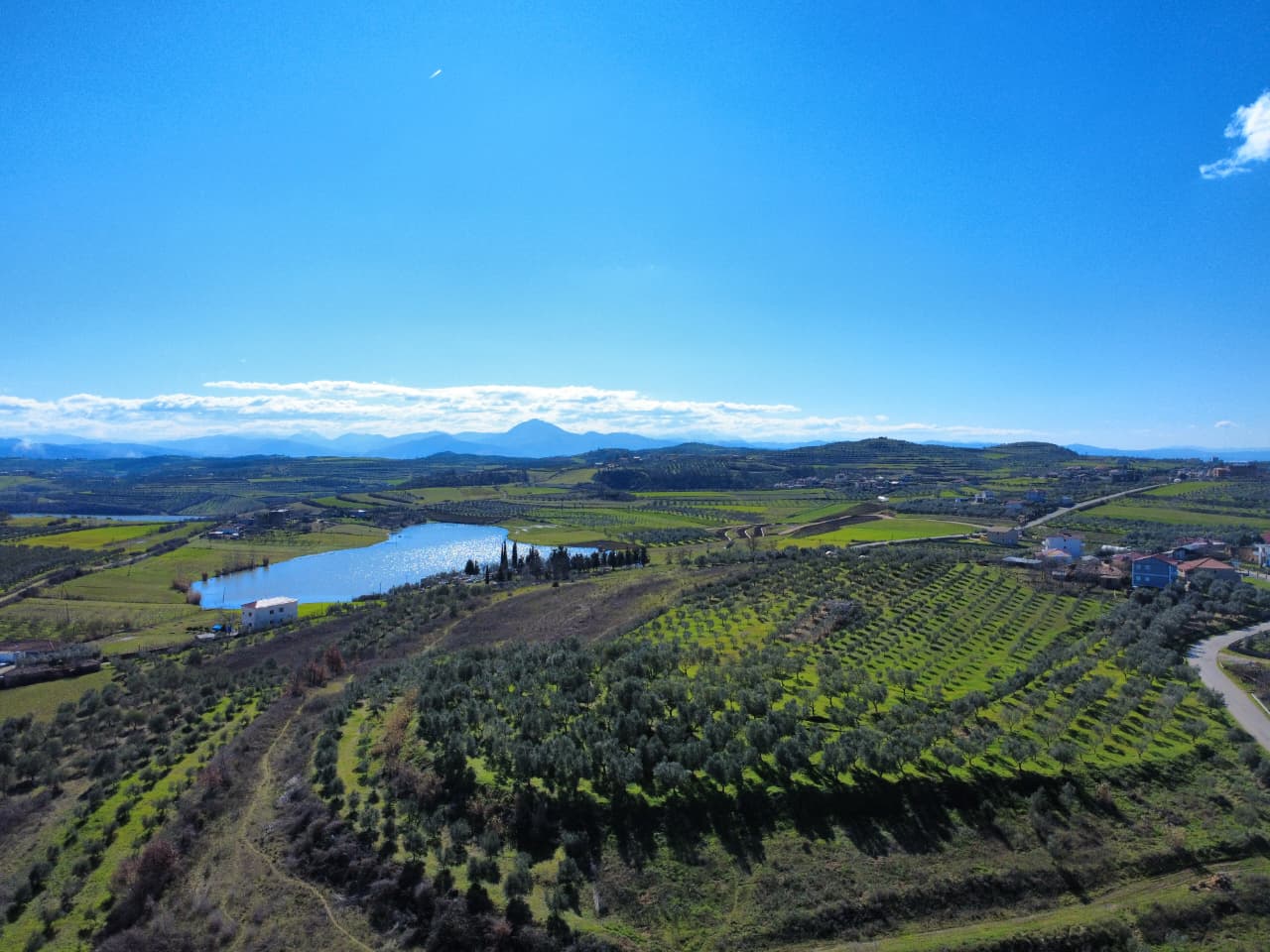
Things to do in Belsh
Belsh offers diverse outdoor adventures, cultural sites, and agri-tourism amid its “Tuscan” lakes and hills. Top activities focus on nature, history, and local flavors.
Agri-Tours & Tastings
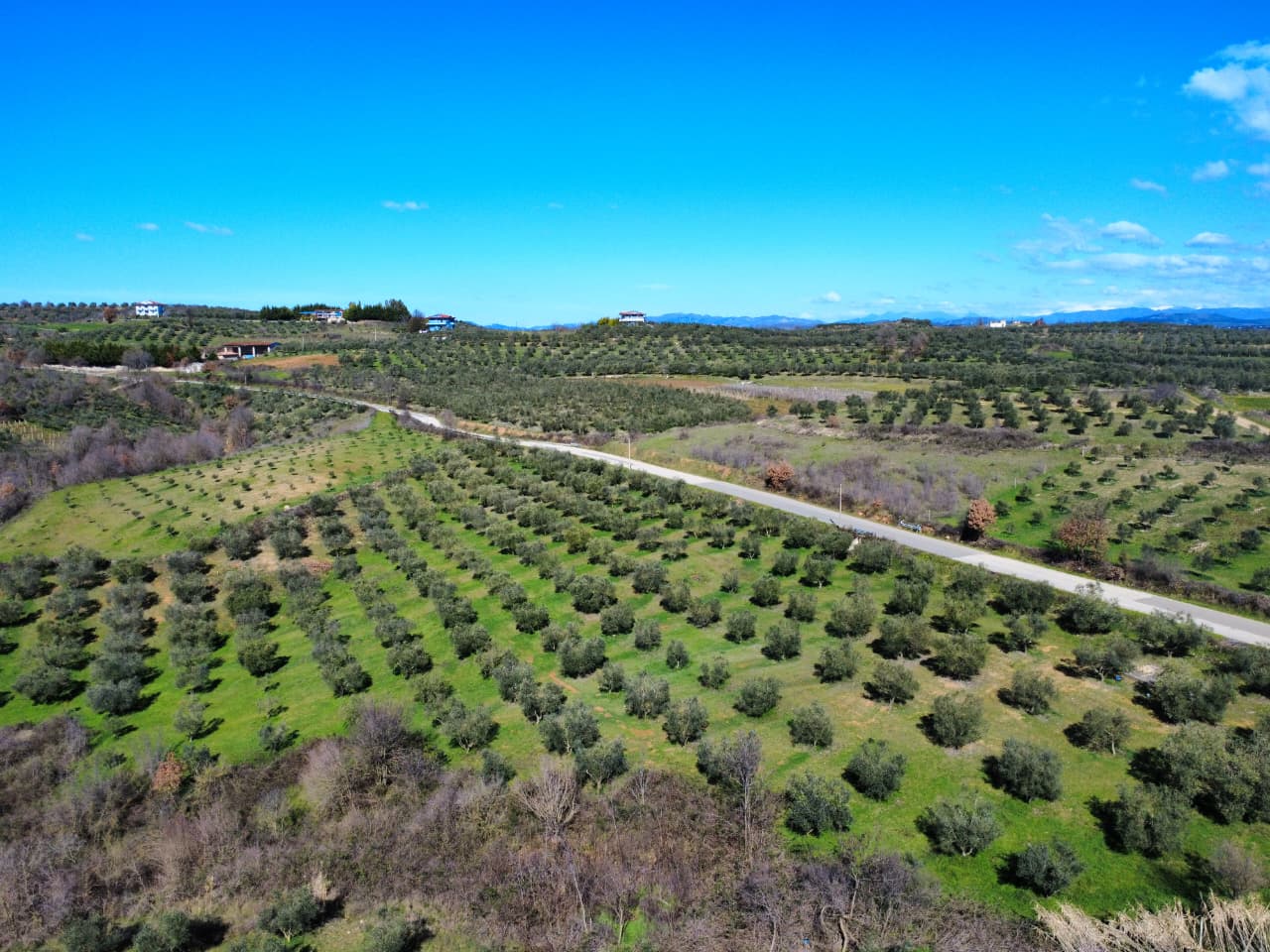
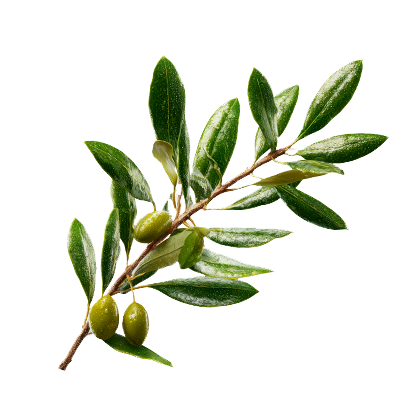
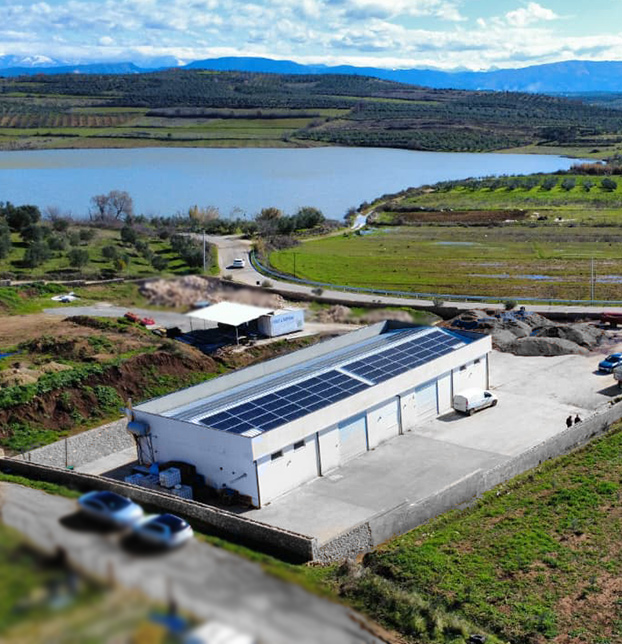
Olive oil tours at factories like Jolla Olive Oil Factory in Çepë ne (grove walks, EVOO tastings with homemade bread/cheese).
Wine tasting day trips combining Belsh Lake with nearby Berat vineyards.
Lake Exploration & History
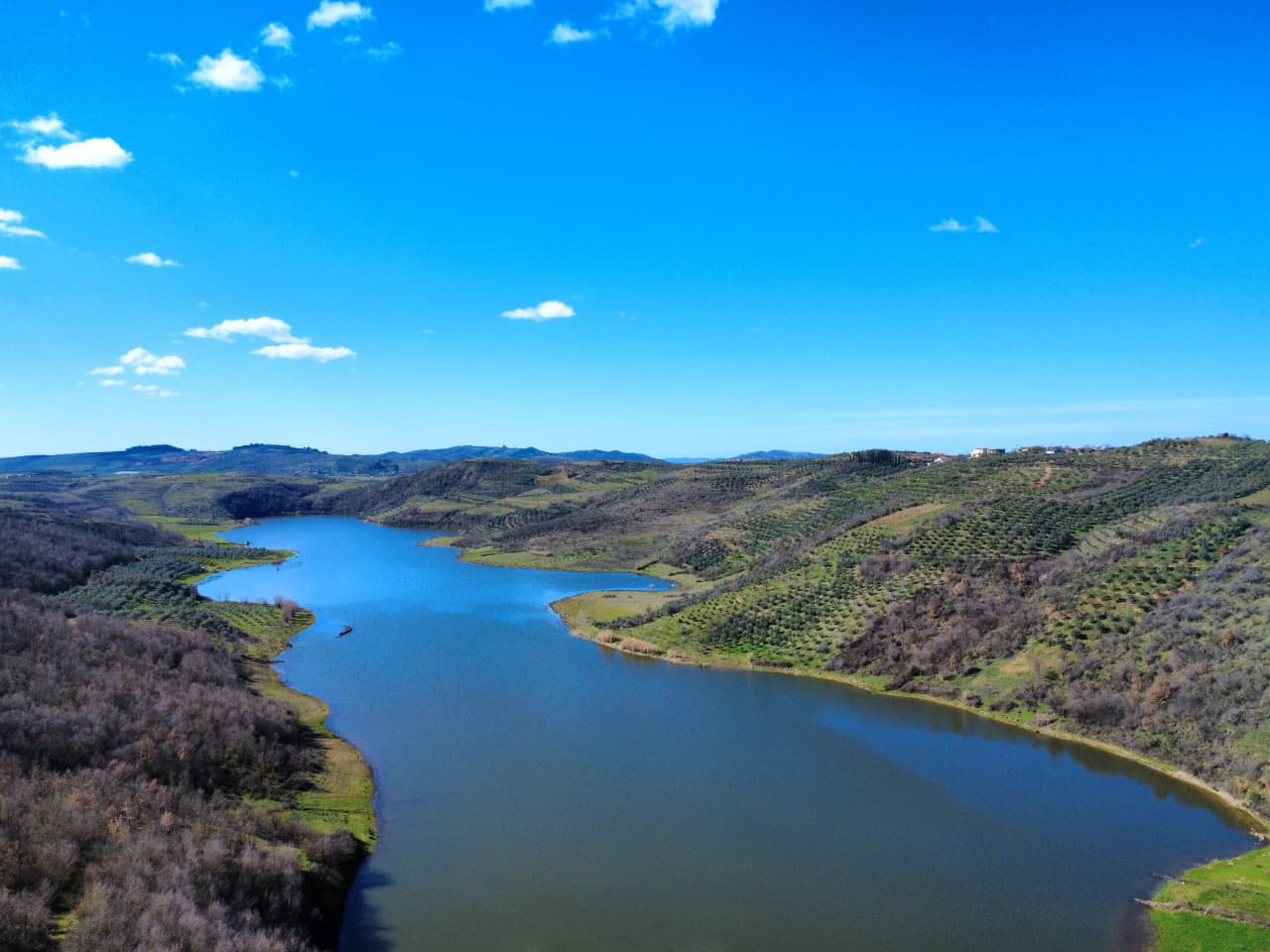
Boat or kayak on Belsh Lake (largest of 85 karst lakes), often called Albania’s Tuscany for serene waters and surrounding vineyards.
Cycle or hike around Seferan and Marinëz lakes via Belsh Bike Tours (4-hour rentals available).
Visit Dumrea EcoPark for picnics, trails, and birdwatching.
Hike Gradishte Mountain (Illyrian acropolis ruins, panoramic views). Explore Fvttnyb ancient ruins and city statues (Skanderbeg, Sami Frashëri, Nymph of the Lakes).
Cultural Experiences
Aferdita Festival (summer music, crafts, polyphonic singing near Lake Seferan shrine).

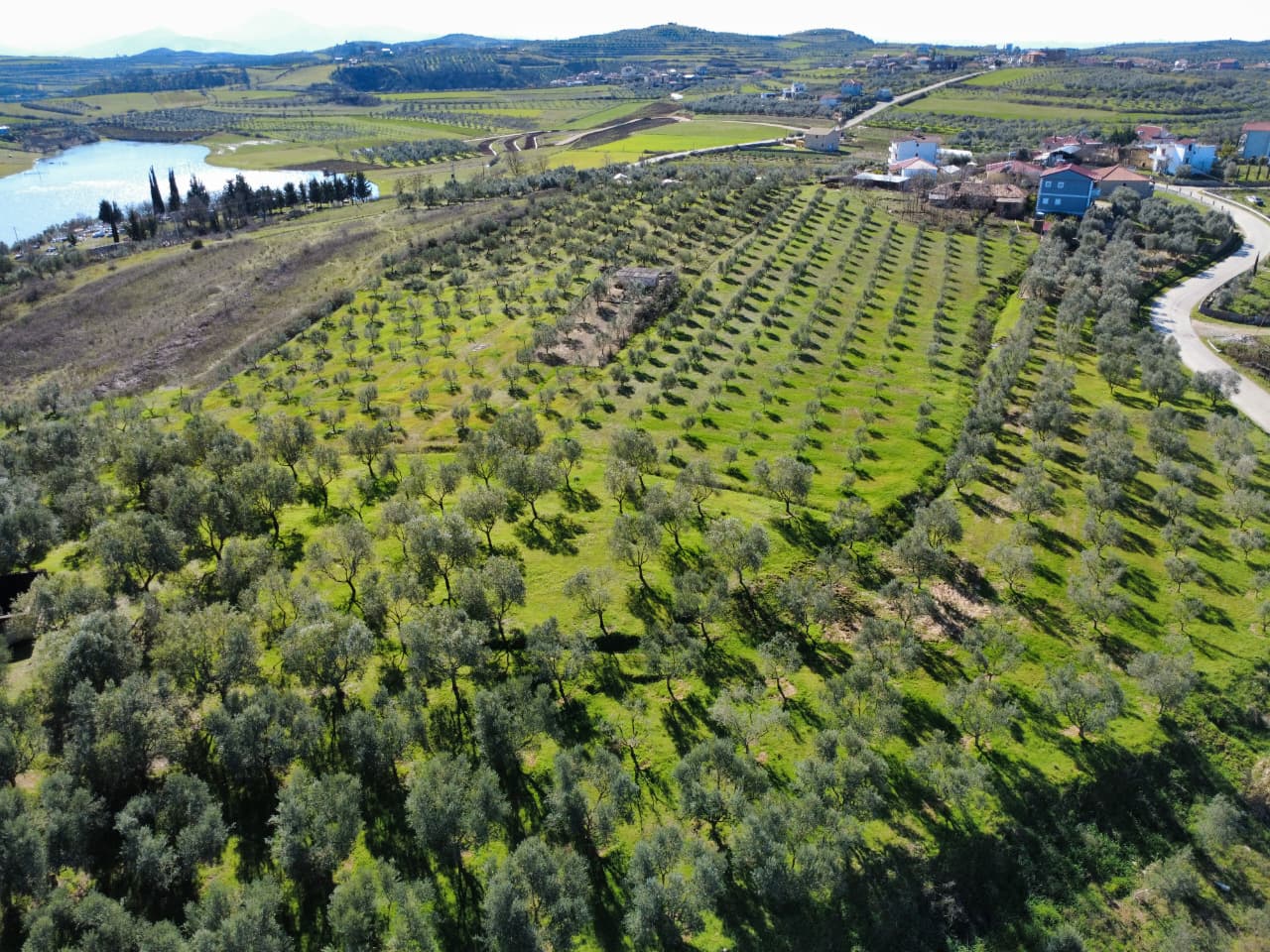
Belsh – Land of Lakes &
Olive Groves
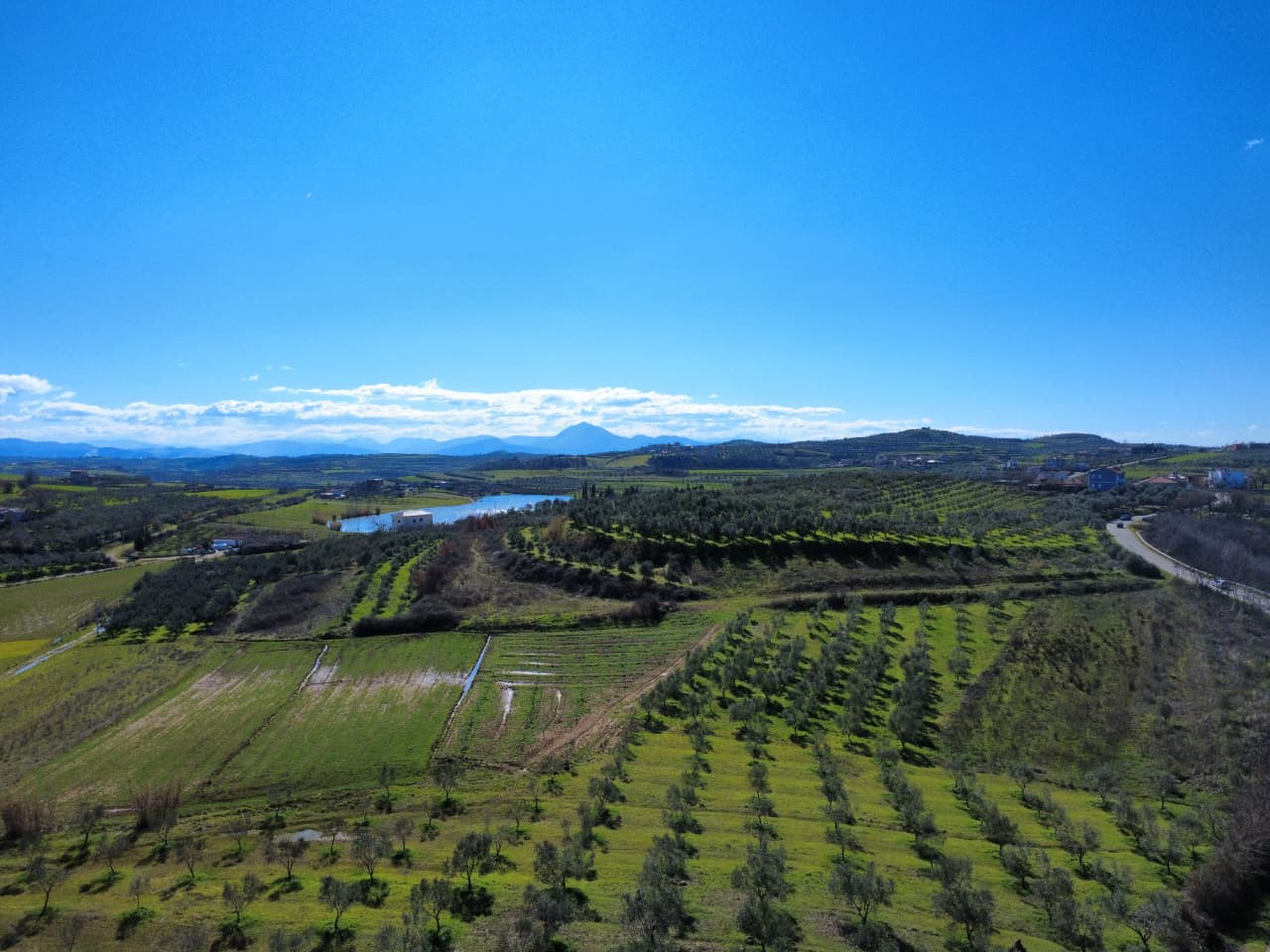
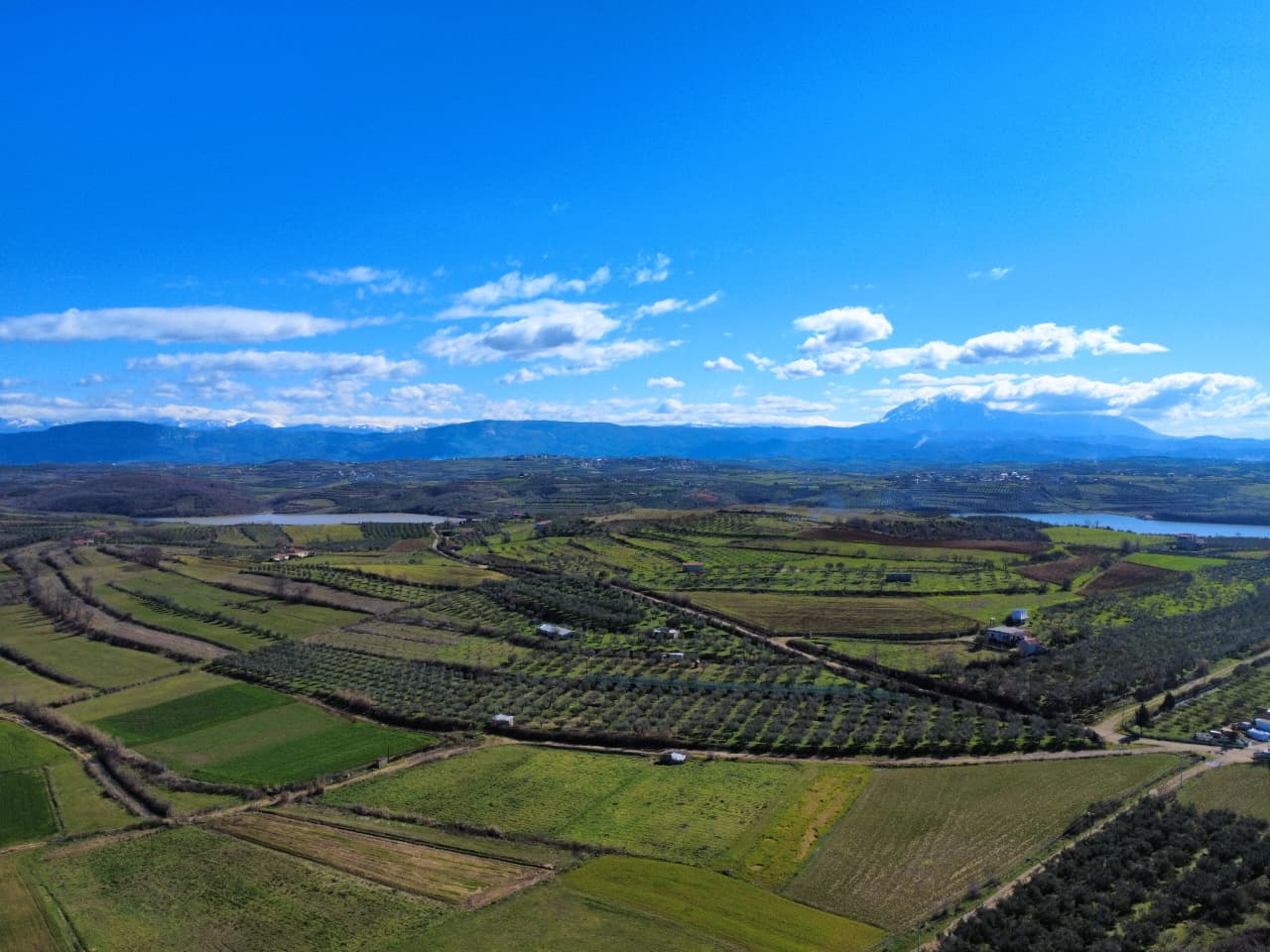
Belsh, often called the “Tuscany of Albania” for its rolling hills, 85 karst lakes (like Belsh, Seferan, and Marinëz), and lush olive groves, is the main economic and administrative hub of the Dumrea Plateau in central Albania. Boasting a rich history from proto-urban Illyrian roots to modern cultural revival, it has long been a crossroads for trade and culture, located 120 km southeast of Tirana. The area also features historical and religious sites, including old churches and Illyrian remains, which testify to a long history of settlement. Belsh is a developed agricultural center and a special destination for nature and cultural tourism, where nature, history, and rural traditions come together in an attractive landscape for visitors.
Ancient Settlements
Belsh’s history traces to the Early Bronze Age (3000–1100 BC), with Gradishte (2–3 km southeast) as an Illyrian proto-urban center along the Via Egnatia route. Sites span Iron Age (1100–500 BC), Classical Illyrian (5th–1st century BC), Roman (1st–4th century AD), and Late Antique eras, including a princely tomb with artifacts now in Tirana’s museum.
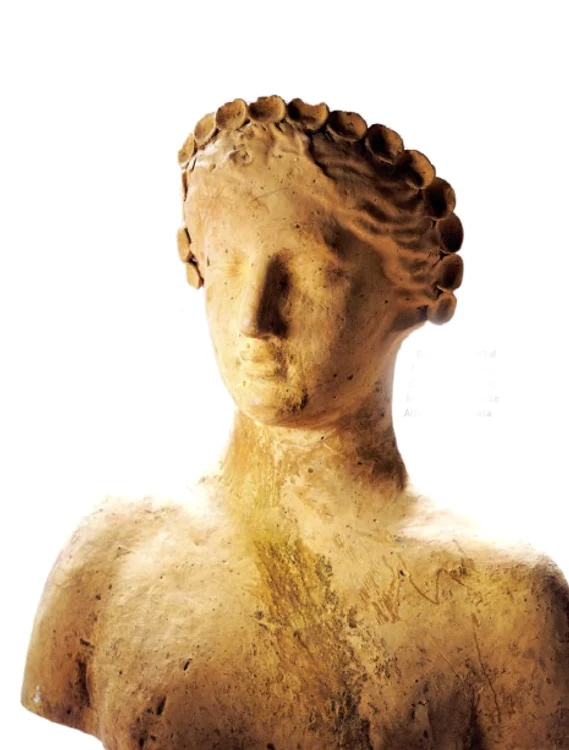
Aphrodite Pandemos, terracotta Illyrian bust, 3rd Century BCE.
The results obtained during the study of some Illyrian terracotta figurines of Aphrodite and related ceramics that belong to 3rd century B.C. are presented. The objects were found under water close to the banks of the Seferan Lake, which is situated about 2 km from the ancient Illyrian settlement of Belsh(central Albania). Most of the figurines were covered with a black layer of nonuniform thickness. X-ray fluorescence was used for the determination of the type of raw materials used for the manufacture of the terracotta figurines and for the investigation of the objects’ provenance. The analytical results obtained from the samples allowed us to conclude that the objects found in the Seferan Lake should have been made from local clays. The analyses performed on the black cover material showed that this layer is made of an iron-rich material. It is not clear whether the black layer was intentionally applied during the manufacture of the figurines or was formed owing to the weathering of the objects under water.
Agritourism and Lake-Land Legacy